Expressing Necessity, Obligation and Permission
ESL Grammar WorksheetsExpressing Necessity, Obligation and Permission

Expressing Necessity, Obligation and Permission

This B1 grammar worksheet helps adult and teen learners practise expressing necessity, obligation and permission. It includes clear grammar explanations and varied exercises using need to, have got to, be supposed to, be allowed to, be permitted to, be essential to, and need to be done. Learners complete gap-fills, multiple-choice tasks, sentence rewriting, and personalised writing. An answer key is included, making it ideal for classwork, homework, or self-study.

Online Interactive
Based on CEFR
Fully Customizable
1

Study this grammar rule.

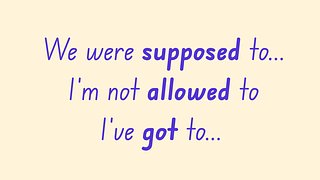
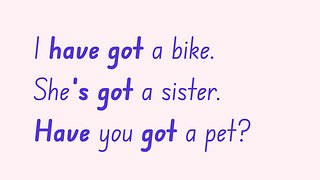
1. Necessity and Obligation 1.1 Need to (necessity or obligation) Form: need to + infinitive We use need to when something is important or required. The meaning depends on the situation. Necessity (something is important): I need to take some time off. (It's important for me. It's my own need.) Obligation (someone expects it): I need to finish this report by tomorrow. (My manager or my job requires it.) 1.2 Be essential to (strong necessity) Form: be essential to + infinitive We use this to say something is necessary and very important. It's essential to take her to hospital immediately. (= We must do it now. It's very serious.) 1.3 Need to be + past participle (necessity or obligation, focus on the action) Form: need(s) to be + past participle We use this when the focus is on what must be done, not on who does it. This job needs to be done by tomorrow morning. 1.4 Have got to (obligation or necessity, informal) Form: have got to + infinitive Means the same as must or have to More common in spoken and informal English I've got to get home by ten. In informal speech, it is often pronounced "gotta": She's gotta think about it. Past form: We usually use had to: This morning I had to get up at 4.30. 1.5 Be supposed to (obligation, not always followed) Form: be supposed to + infinitive We use this for rules, duties or expectations, especially when people don't always follow them. I'm supposed to wear a hat when I deliver food, but I don't. Robbie's not supposed to call customers by their first names, but he often does. Past form: We were supposed to go straight home, but we didn't. 2. Permission 2.1 Be allowed to (permission) Form: be (not) allowed to + infinitive We use this to say something is OK to do or not OK to do. Our children are allowed to play computer games at weekends. I'm not allowed to go to bed after midnight. 2.2 Be permitted to (permission - formal) Form: be (not) permitted to + infinitive Same meaning as be allowed to More formal, often used in rules or notices Office workers are permitted to wear casual clothes on Fridays. Drivers are not permitted to drive more than eight hours without a break. 3. Focus on the Action (not the person) We use these forms when we want to talk about what must be done, not who does it. Be necessary to Form: be necessary to + infinitive It's necessary to have a driving licence. (= You must have one.) Be essential to It wasn't essential to speak English in my first job. Needs to be done The apartment might need to be painted. 4. Using These Forms in Different Tenses Many of these expressions can be used in past, present and future, and with modal verbs (might, could, will, etc.). Future: It will be necessary to take your passport. Past: It wasn't essential to speak English. With modal verbs: The apartment might need to be painted.
2

Choose the correct options to complete the sentences.

3

Decide which answer best fits each space.

4

Rewrite the sentences using the phrases from the rule.

5

Write your sentences.

Other worksheets in this category