Modal Verbs and Passives
ESL Grammar WorksheetsModal Verbs and Passives

Modal Verbs and Passives

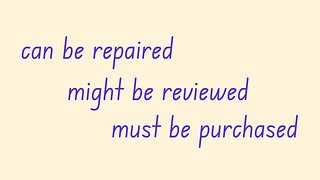
This B1 grammar worksheet for adult ESL learners focuses on using modal verbs in the passive voice to express possibility, obligation, advice, and probability. Learners study the clear structure modal verb + be + past participle and apply it through varied exercises such as gap fills, error correction, sentence rewriting, and sentence building. The worksheet uses realistic, adult-relevant contexts and includes a complete answer key for easy checking. It is ideal for classroom lessons, homework, exam practice, or independent study.

Online Interactive
Based on CEFR
Fully Customizable
1

Study this grammar rule.

Structure: Modal verb + be + past participle (V3) Common modal verbs: can, could, may, might, must, should, will, would Use: We use modals + passive when: - the action is more important than who does it, or - the doer is unknown or not important, and - we want to show possibility, ability, advice, obligation, or probability. Examples: It could be done. It could be improved. The train might be delayed. The report must be finished today. This problem can be solved easily. Form Notes: The verb be does not change with the subject. The main verb is always in past participle form. Correct: The tickets may be sold online. Incorrect: The tickets may are sold.
2

Use modal verbs and passives to complete each sentence.

3

Find and correct the mistakes.

4

Rewrite the sentences using modal verbs and passives.

5

Make sentences from these words.

Other worksheets in this category